Is Hidrognologista Right for You? Full Guide
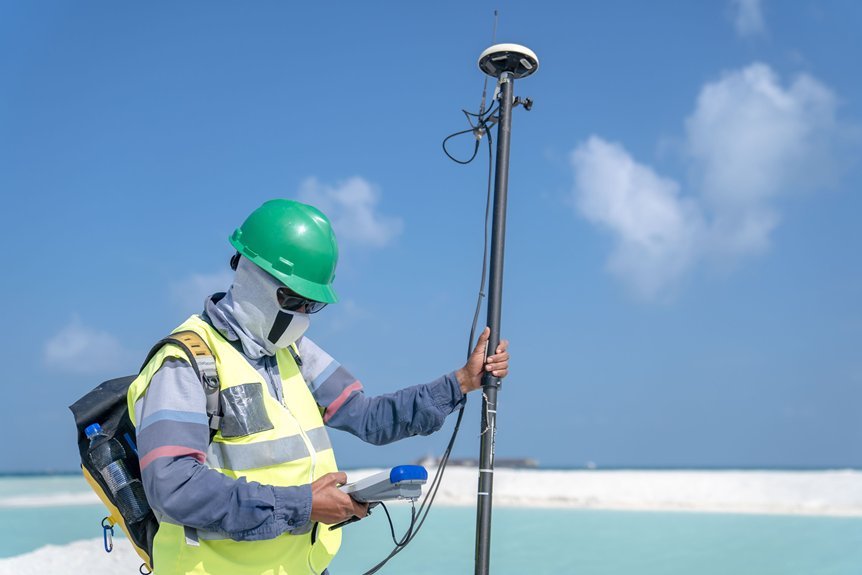
For someone considering a career in hydrogeology, the question is whether the field aligns with interests in fieldwork, data interpretation, and communicating uncertainty. The guide outlines what Hidrognologista does, the training paths, and day-to-day realities, with attention to credentials and regional practice. It offers evidence-based criteria to weigh fit, including potential salaries and professional demands. The decision hinges on personal goals and the ability to pursue ongoing professional development, suggesting a careful evaluation before proceeding.
What Is a Hidrognologista and What Do They Do?
A hydrogeologist, sometimes misspelled as “hidrognologista,” is a specialist who studies the distribution, movement, and properties of underground water. The field informs roles in healthcare and public health, with day to day workflows guided by clinical tools and data. Core topics include training pathways, credentials, licensure, career prospects, and salary overview, shaping practical, evidence-based practice. What is a hidrognologista.
Training, Credentials, and Pathways to Practice
Educational routes for hydrologists typically begin with a bachelor’s degree in geology, hydrogeology, environmental science, or a related field, followed by targeted coursework in groundwater hydrology, aquifer testing, and water quality analysis.
Training pathways emphasize practical internships and mentorships, while credentialing requirements vary by region.
Skills assessment, ongoing professional development, and certification exams underpin credibility in practice, guiding specialization and licensing decisions toward independent work.
Day-to-Day Realities: Skills, Tools, and Challenges
Day-to-day work for hydrologists integrates field measurements, data analysis, and collaborative problem solving. Professionals perform hands on tasks such as sampling, instrumentation calibration, and streamflow assessments, while maintaining rigorous data integrity. Tool proficiency spans GIS, modeling software, and statistical packages. Challenges include ensuring data quality, interpreting heterogeneous datasets, and communicating uncertainties to stakeholders in a concise, evidence-based manner.
Is Hidrognologista Right for You? Fit, Salary, and Next Steps
Is a career as a hydrologist a good fit for a given individual, considering both interests and professional priorities?
The discussion examines is career fit, is job duties, required training, and credentials, alongside salary expectations. It notes varied duties across sectors and the need for fieldwork and data analysis.
Next steps include education, licensing, and professional credentials, with evidence-based guidance for informed choice.
Frequently Asked Questions
What Licenses Are Required in Different States or Countries?
Licensing varies; professionals should review licensing compliance and regional certification requirements in each state or country. Requirements differ widely, including exams, experience, and ongoing renewals. Compliance-focused jurisdictions detail authority boards, fees, and continuing education for credentialing.
How Long Does It Typically Take to Become Certified?
The typical certification process spans several months to a couple of years, depending on jurisdiction and program. How long varies by training intensity, hands-on requirements, and exam scheduling, but clear timelines exist in official guidelines for prospective candidates.
What Are Common Entry-Level Job Prospects?
A map unfurls like a quiet harbor, showing entry level prospects and internship avenues beckoning new entrants. Evidence suggests affordable roles in laboratories, field agencies, and starter positions, enabling practical skill growth while preserving autonomy and professional development.
Are There Remote or Travel Opportunities in This Field?
Remote opportunities exist in Hidrognologista roles, though vary by employer. Travel flexibility is feasible for field assignments or consulting projects. Evidence suggests some positions offer relocation or international travel, while others are location-bound; candidates should verify corporate policies.
How Does Workload Vary by Industry Sectors?
Average weekly workload varies widely, with some sectors experiencing peaks exceeding 50 hours while others maintain steadier rhythms. This demonstrates workload variability, driven by industry specific demands, project cycles, and regulatory timelines across the field.
Conclusion
A hydrogeologist stands as a quiet compass, guiding decisions through hidden currents. Data are the stars, and fieldwork the cartography that turns them into maps of risk and resilience. Certification and training are the hinges that keep the door to practice turning. The work blends steady hands with careful humility, acknowledging uncertainty while seeking clarity. For those who listen to groundwater’s subtle signals, the path converges with purpose, sustainability, and transparent, evidence-based impact.